

 Request a

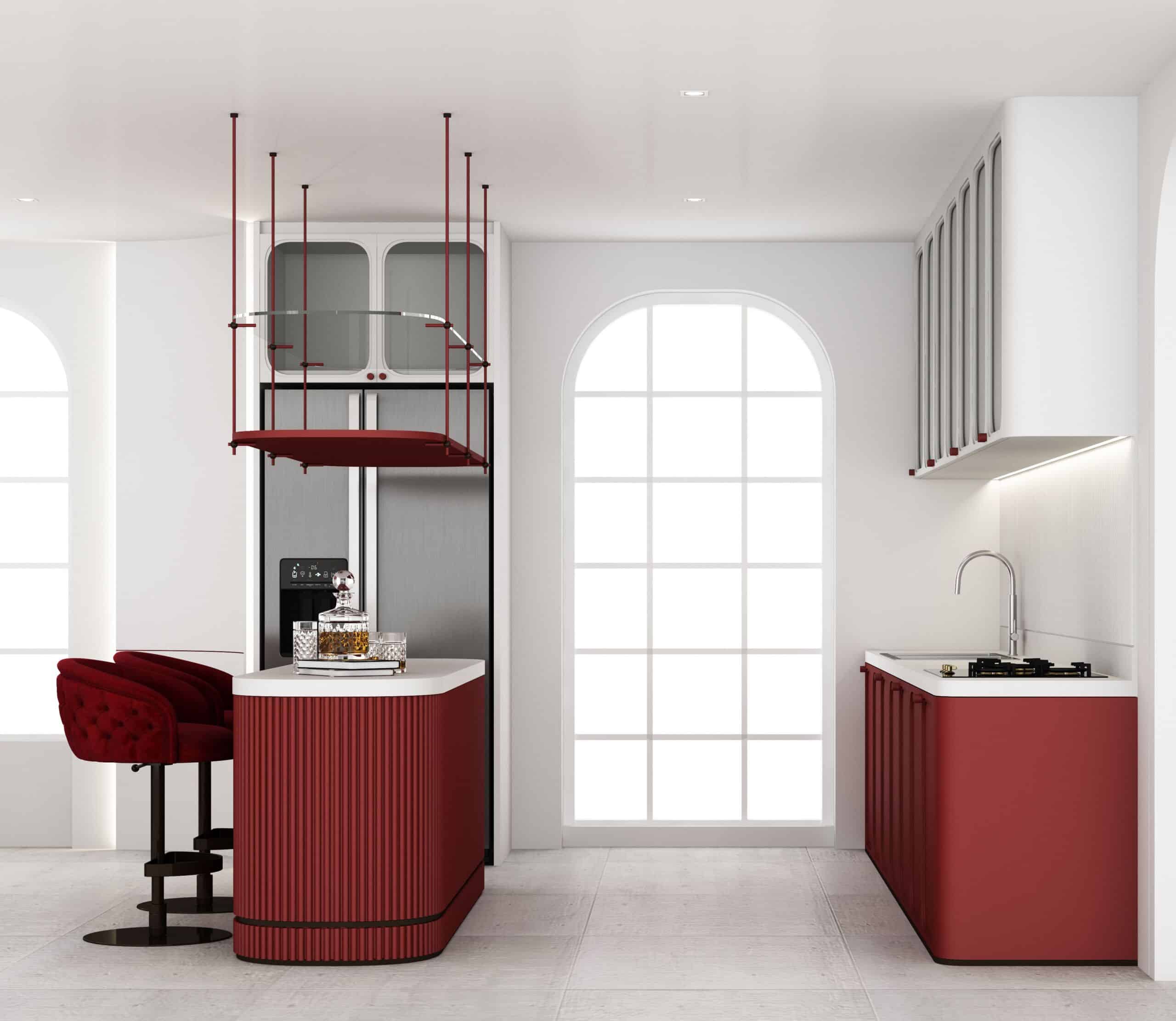
Kitchen windows do more than bring natural light into the room. The right windows can improve ventilation, make the kitchen feel more open, and give you an easier way to release heat and moisture while cooking. However, not every window style works equally well in every part of a kitchen.
If you are choosing new or replacement windows for a kitchen, you should consider where the window will be installed, how easily you can reach it, how much ventilation you need, and how the window fits with the rest of your home.
What Are the Best Windows for a Kitchen?
The best windows for a kitchen are typically casement, awning, sliding, double-hung, picture, and garden window. Each style offers different advantages depending on where the window is located and how you plan to use it.
For example, casement and awning windows are especially useful above a kitchen sink because their crank operation can be easier to reach across a countertop. Picture windows are better when natural light and an unobstructed view are the priorities because they do not open for ventilation.
When comparing windows for your kitchen, consider:
- How easily you can open and close the window.
- Whether you need additional airflow while cooking.
- How much natural light you want.
- The available wall space around cabinets and countertops.
- Whether the window will be positioned over a sink or counter.
- The energy efficiency of the glass and frame.
- How the window style fits the architecture of your home.
There is no single window style that works for every kitchen. The right choice depends on your kitchen layout and what you want the window to accomplish.
Types of Kitchen Windows to Consider
Understanding the different types of kitchen windows can help you narrow down your options before beginning a replacement project.
Casement Windows
Casement windows are hinged along one side and open outward, usually with a crank located near the bottom of the frame.
This design makes them particularly useful as replacement kitchen windows over a sink. Instead of reaching across the counter and pushing a sash upward, you can operate the window using the crank. Casement windows can also open wide, making them a strong option when ventilation is important. Competitor guidance similarly identifies their easy operation and airflow as useful features for over-the-sink installations.
Casement windows can be a good fit when you want:
- Easy operation in a difficult-to-reach location.
- Plenty of ventilation.
- A relatively unobstructed view when the window is closed.
- A window that works with both traditional and modern kitchen designs.
One factor to consider is exterior clearance. Because the sash opens outward, there needs to be enough space outside for it to operate without hitting landscaping or other obstacles.
Awning Windows
Awning windows are hinged at the top and open outward from the bottom. Like casement windows, they commonly use a crank.
Their horizontal shape can work well over sinks, countertops, or in spaces where the available opening is wider than it is tall. Their outward-opening design can also provide ventilation during light rain because the glass helps shield the opening from water.
Awning windows can also be combined with a larger fixed picture window. This arrangement provides a broad view and natural light while still giving you an operable section for ventilation.
Sliding Windows
Sliding windows open horizontally along a track rather than moving up and down or swinging outward.
They can be useful in kitchens where there is limited exterior clearance because the sash stays within the window frame. Their horizontal operation can also make them easier to use over a countertop than windows that need to be lifted vertically.
Sliding windows are worth considering when you want a simple operating style, good natural light, and a window that does not project into the outdoor space when opened. They can also work well for wider window openings.
Double-Hung Windows
Double-hung windows have two movable sashes. The bottom sash can move upward while the upper sash can move downward.
Being able to open the top and bottom can provide useful ventilation in a kitchen. Cooler air can enter through the lower opening while warmer air can escape through the upper portion.
However, placement matters. A double-hung window directly behind a deep sink or countertop may be harder to operate because you have to reach forward and lift the sash. This is one reason crank-operated windows are often preferred above sinks.
Double-hung windows may be a better option on kitchen walls where the window is easier to reach.
Picture Windows
Picture windows are fixed, which means they do not open. Their main advantages are natural light and an unobstructed outdoor view.
A large picture window can make a smaller kitchen feel brighter and more open. It can also work well above a sink when ventilation is already provided by other windows or a kitchen exhaust system.
If you want both a large view and an operable window, a picture window can be paired with casement or awning windows.
Garden Windows
Garden windows extend outward from the home, creating a small shelf-like area surrounded by glass. This design brings light into the kitchen from several directions and provides additional space for plants, herbs, or decorative items.
They are often installed above kitchen sinks because the added shelf space can be used without taking away valuable counter space.
A garden window can be a good option if you want more than ventilation from your replacement window. It can become a functional feature of the kitchen itself.
Bay or Bow Windows
If you have more wall space available, bay or bow windows can make the kitchen feel larger. These windows extend beyond the exterior wall and can create additional interior space.
They are particularly useful around breakfast nooks or dining areas, where the added space can become a shelf or seating area. Bay and bow windows can also bring light into the room from several directions.
What Are the Best Replacement Kitchen Windows Over a Sink?
For many homeowners, casement and awning windows are among the most practical options over a kitchen sink because their crank mechanisms reduce the need to push or lift a sash while reaching across the counter.
The best choice still depends on your kitchen. A sliding window may work well when you do not have enough exterior clearance for an outward-opening sash. A picture window may be appropriate when the view and natural light matter more than ventilation. A garden window may work when you want additional space for herbs or plants.
When replacing a kitchen window over the sink, pay particular attention to reach. Consider where the handle or lock will sit once the window is installed. A window that looks attractive but is difficult to open from behind the countertop may become frustrating during everyday use.
What Should You Look for in Kitchen Windows?
Window style is only one part of choosing the right replacement. Kitchen windows have to perform in a room where cooking can regularly produce heat, humidity, and moisture.
Easy Operation
Think about how you will physically reach the window. This is particularly important above sinks because the countertop and sink increase the distance between you and the window.
A crank or easily accessible sliding mechanism can make regular operation more comfortable. Ease of use is one of the main considerations identified for windows installed behind kitchen countertops.
Good Ventilation
Cooking can introduce heat, steam, and odors into your kitchen. An operable window gives you another way to move fresh air through the room.
If ventilation is a priority, consider styles that provide a generous opening, such as casement windows. Awning, sliding, and double-hung windows can also provide airflow, depending on the size and placement of the opening.
Natural Light
Natural light can make a kitchen feel larger and more inviting. Larger windows and styles with expansive glass areas can bring more daylight into workspaces.
If maximizing light is more important than ventilation, a picture window may be worth considering. Large kitchen windows can also create a stronger visual connection between the kitchen and the outdoors.
Energy-Efficient Glass
Because kitchens can already become warm from cooking, window glass can affect indoor comfort. Low-E glass can help reduce heat transfer while still allowing natural light into the room.
When replacing older kitchen windows, look beyond the window style and compare the energy-efficiency features available for the complete window.
Durable, Low-Maintenance Materials
Kitchen windows may be exposed to humidity, condensation, grease, and occasional water splashes, especially when installed near a sink.
Choose frames and finishes designed to handle these conditions and that can be cleaned without extensive maintenance. The quality of the frame, hardware, and installation can be just as important as choosing the window style itself.
How Do You Choose the Right Kitchen Window?
Start with how you use the space, rather than choosing a window based only on appearance.
If the window is going directly over a sink and you want ventilation, a casement or awning window may make operation easier. If your priority is an expansive view, consider a picture window or a wide casement configuration. A garden window can provide extra display space, while bay or bow windows may work well around breakfast areas. Similar use-based recommendations appear across current kitchen-window guidance.
You should also consider the existing opening. Replacing one window style with another may be relatively straightforward when the dimensions are similar, while substantially changing the size or shape of the opening can turn the project into a larger renovation.
When Should You Replace Your Kitchen Windows?
You do not have to wait for a complete kitchen remodel to replace an older window. A replacement may be worth considering if the existing kitchen window is difficult to operate, allows noticeable drafts, has damaged components, or no longer meets your needs for ventilation and natural light.
Replacing an inconvenient window over the sink can also improve how you use the kitchen every day. The goal is not simply to install a new window, but to choose a style that works better with the room.
Find the Right Replacement Windows for Your Kitchen
The best kitchen windows combine function, comfort, natural light, and a style that complements your home. Casement and awning windows are particularly practical over kitchen sinks, while sliding, double-hung, picture, garden, bay, and bow windows can serve different needs throughout the room.
If your current kitchen windows are difficult to open, outdated, or no longer providing the comfort you want, a professional window installer can help you compare replacement options based on the size of the opening, your kitchen layout, and your goals for the space.
